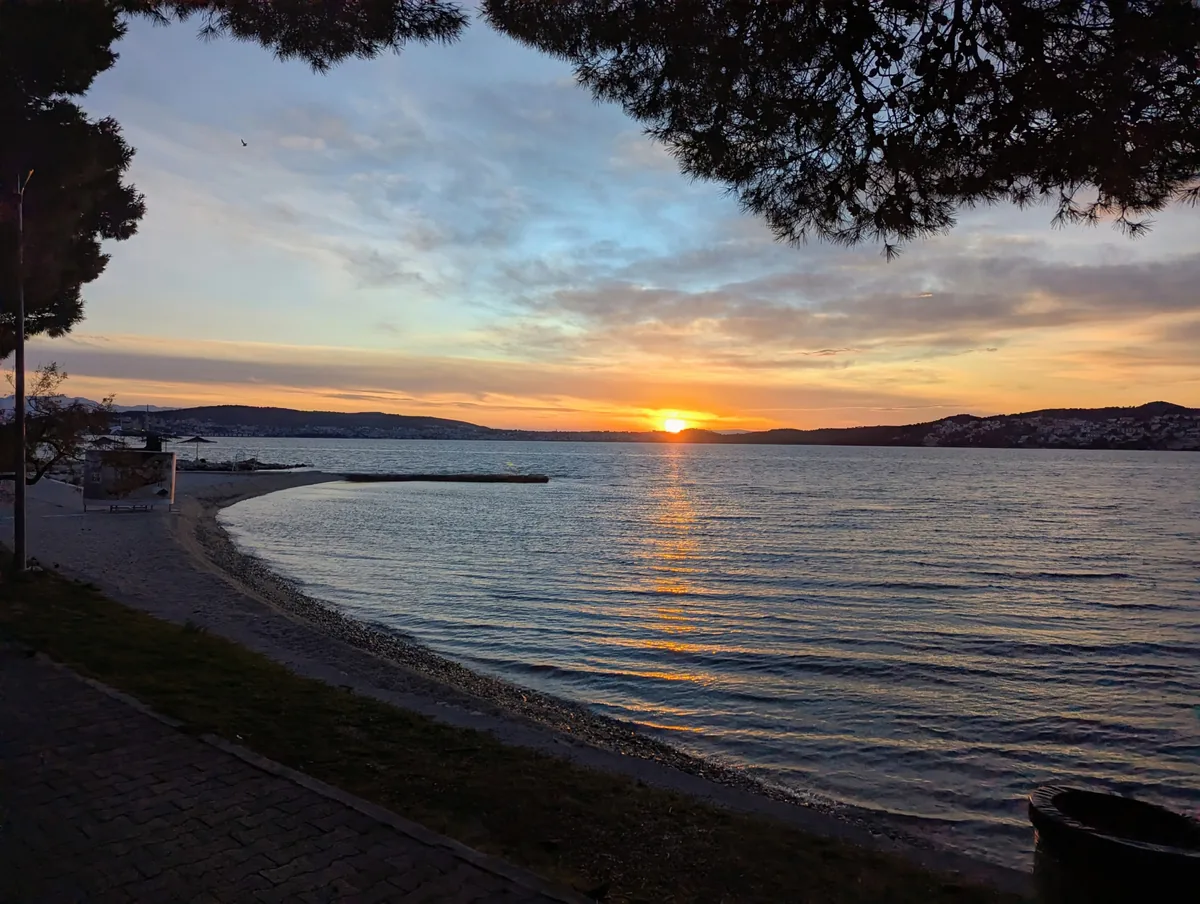
 📷 Our photo
Short answer: for most people, yes — but not for everyone. Here's who'll love Trogir, who's better off in Split, whether it works as a day trip, and how long to give it.
You like historic towns, easy day trips, clear-water swimming and a calm base.
You're chasing nightlife, big-city buzz or a long sandy beach.
Half a day for the old town; 2–3 days as a base for the region.
Written by Ante Milic · Last updated June 2026
Trogir is a tiny island town whose entire old core is a UNESCO World Heritage Site — one of the best-preserved Romanesque-Gothic towns in Europe, walkable end to end in ten minutes. Add clear-water beaches, boat trips to the Blue Lagoon, and Split Airport five minutes away, and it's an easy, rewarding stop. It's less essential if your trip is all about nightlife or sandy resorts. Convinced already? Compare where to stay in Trogir.
The Cathedral of St Lawrence and Radovan Portal, Kamerlengo Fortress and the main square sit minutes apart — see the Trogir sights guide.
Krka, Hvar, Plitvice and the Blue Lagoon are all within reach — see day trips from Trogir.
Pebble coves on Čiovo and the turquoise Blue Lagoon offshore.
Land and be in the old town in 5–10 minutes — see the Split Airport to Trogir guide.
📷 Our photo
Trogir suits some travellers better than others. You'll likely love it if you're one of these.
Candlelit stone lanes, sunset on the Riva and quiet boutique stays make it a genuinely romantic base. See our best hotels picks.
Car-free old town, short transfers and calm pebble beaches keep things low-stress — see the best beaches.
A compact, walkable introduction to Dalmatia — UNESCO heritage, sea and food in one small place. Start with Trogir in 3 days.
A gateway to the Blue Lagoon, Šolta, Hvar and the Blue Cave — see Trogir boat tours.
Five minutes from Split Airport, Trogir is the ideal first or last night of a trip — sort the airport transfer.
It's a small, historic town — wonderful for some, underwhelming for others. Be honest with yourself about these before you book.
Trogir's beaches are clear-water pebble and rock, not big sand. The nearest to sand is Pantan; sun-and-sand resort seekers may be happier elsewhere — see the best beaches guide.
The old town is tiny and some visitors feel they've "seen it" quickly. It rewards a slower pace — a meal, a swim and the evening Riva — rather than a rushed lap.
From late morning to mid-afternoon in July and August, cruise and tour groups funnel through the narrow lanes. Come early or in the evening, or visit in the shoulder months — see the best time to visit.
Trogir is quiet after dinner with a short (if excellent) restaurant line-up. For variety and late bars, Split is the better base.
We'd rather you book the right base than the one we'd earn most from. For some trips, Split is simply the better fit — here's when.
Split has a genuinely buzzing scene that runs late. Trogir is lovely but quiet once dinner is over.
Split offers museums, shopping and plenty to do on a rainy day; Trogir is small and seen in half a day.
Split has far more variety, cuisines and late kitchens. Trogir's strength is a handful of excellent konobas, not breadth.
Split is the main ferry port for Hvar, Brač and Vis. If you're island-hopping by scheduled ferry, it's more convenient.
Mid-range for the Croatian coast — cheaper than Dubrovnik or Hvar. Restaurants on the main square cost more; eat one street back for better value. Croatia uses the euro.
Busy at midday in July–August when cruise and tour groups pass through the narrow old town. Early mornings, evenings and the shoulder months are calm.
Very safe, with low crime — normal small-town precautions are enough. The old town is comfortable to walk by day and at night.
Even if you're based in Split, Trogir is an easy and rewarding half-day. Staying over rewards you with quiet mornings and the Riva after the day-trippers leave.
20–30 minutes by bus, car or summer catamaran. The old town suits a relaxed half-day — see the Trogir in one day plan.
Enough for the cathedral, the fortress, the square and a coffee on the Riva.
Adds beaches, a boat trip and a day trip to Krka or the islands — the sweet spot as a base. See Trogir in 3 days and the best time to visit.
Yes — for most visitors Trogir is well worth it. The entire old town is a UNESCO World Heritage Site you can explore on foot in a couple of hours, it's an easy base for day trips to Krka, Hvar and the Blue Lagoon, and Split Airport is minutes away. It's less worth a special detour if you only want nightlife or a big sandy beach.
Definitely. It's about 20 to 30 minutes from Split by bus, car or summer catamaran, and the compact old town suits a half-day visit, often combined with a boat trip or Krka waterfalls.
Half a day covers the old town. Two to three days lets you add the beaches, a boat trip and a day trip — three days is the comfortable sweet spot if you use Trogir as a base.
They suit different trips. Trogir is prettier, calmer and closer to the airport; Split is bigger with far more nightlife, restaurants and ferries. Many people sleep in Trogir and visit Split for a day. See our Trogir or Split comparison.
The beaches are mostly clear-water pebble, not sand — lively Okrug, family-friendly Medena and quiet Čiovo coves. The closest to sand is Pantan, and the clearest swimming is offshore at the Blue Lagoon.
Trogir is mid-range for the Croatian coast and cheaper than Dubrovnik or Hvar. Restaurants on the main square cost more, so eat one street back for better value. Croatia uses the euro.
It gets busy at midday in July and August, when cruise and tour groups pass through the narrow old town. Early mornings, evenings and the shoulder months of June and September are much calmer.
Yes, Trogir is very safe with low crime. Normal small-town precautions are enough, and the old town is comfortable to walk both by day and at night.
If it sounds like your kind of place, pick a base near the old town and line up a day trip — everything else is on the doorstep.
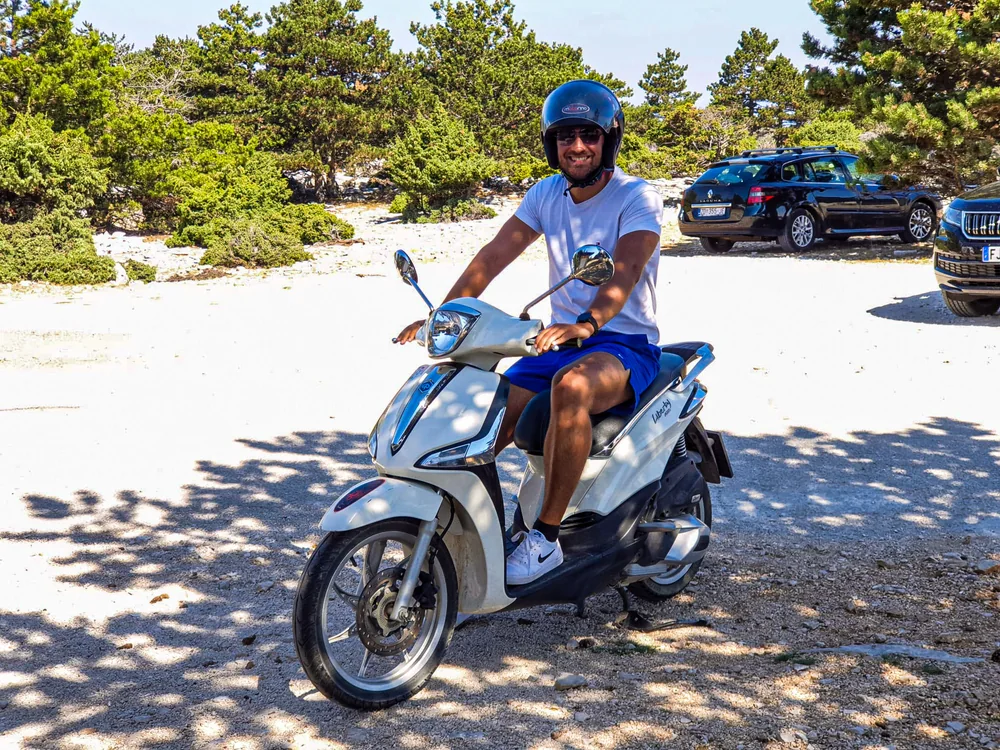
Hi, I'm Ante. My family has been connected to Trogir for many years and we've spent countless summers here. This guide shares the places we genuinely recommend, along with honest advice on what is—and isn't—worth your time.